§ 01
The general rule
This is general guidance for England, not legal advice. Landlords must keep the structure and exterior of a rented home in repair and make sure it is fit to live in. If pests are getting in because of a problem with the building, such as damaged drains, broken air bricks, gaps around pipes or holes in walls, dealing with the infestation and the cause is generally the landlord's job.
Where an infestation is caused by how the home is lived in, for example food waste left out, a tenancy agreement may make the tenant responsible. Many problems are not clear-cut, which is why early communication helps.
§ 02
Common situations
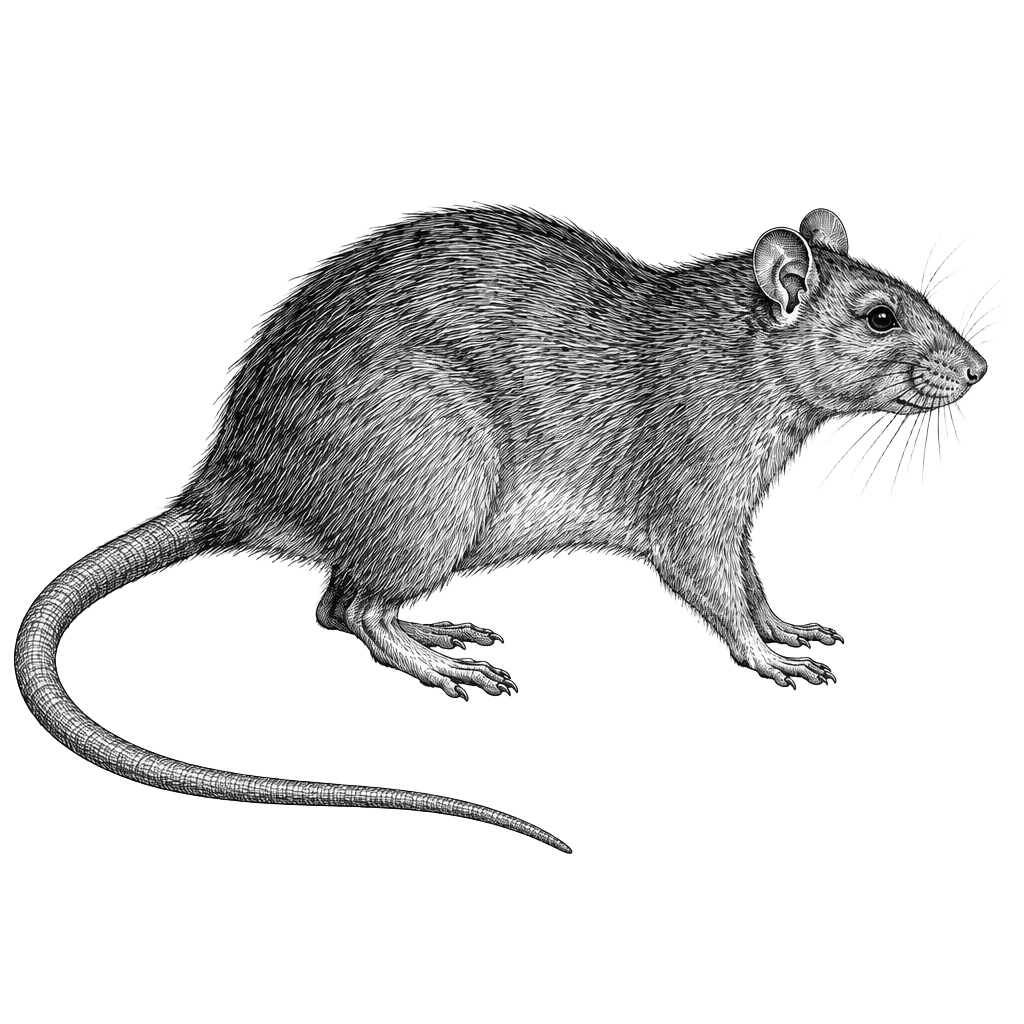
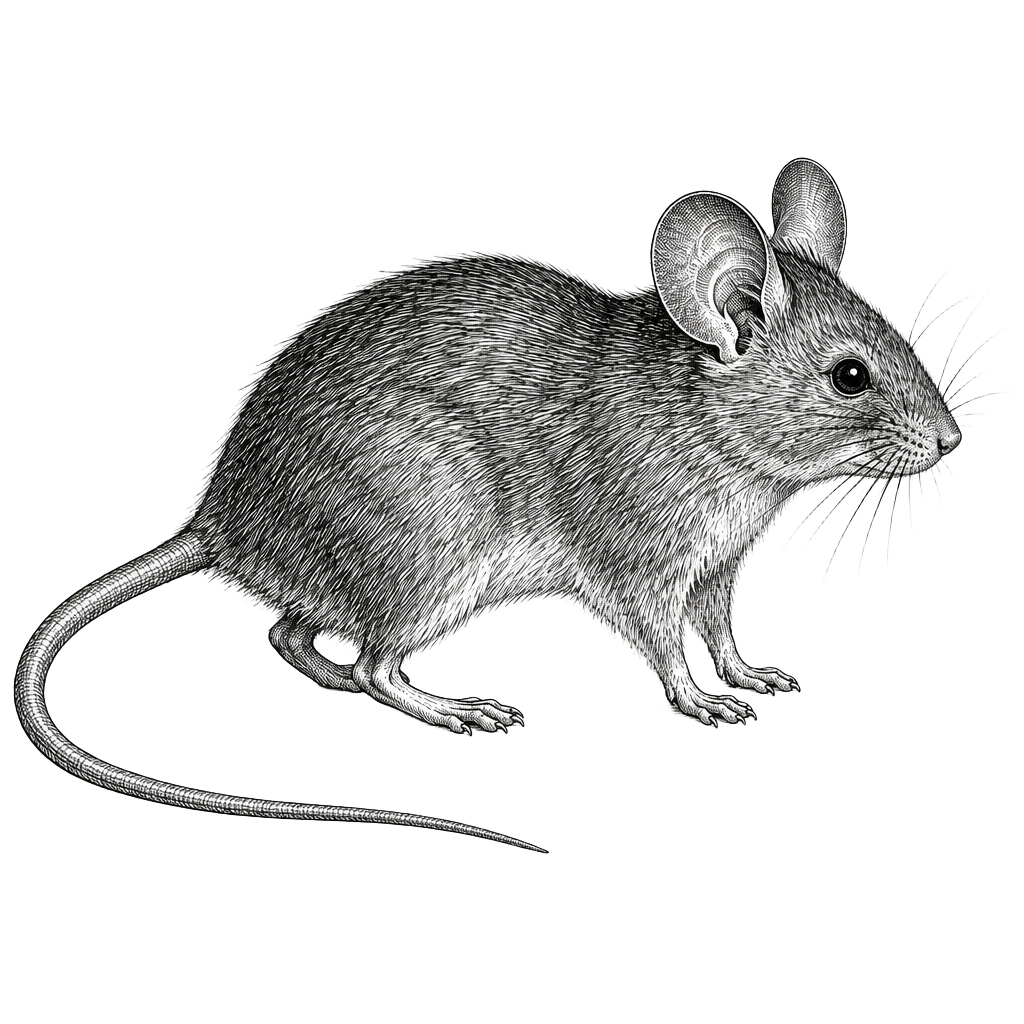
- Rats or mice getting in through structural gaps or faulty drains: usually the landlord.
- An infestation present at the start of a tenancy: usually the landlord.
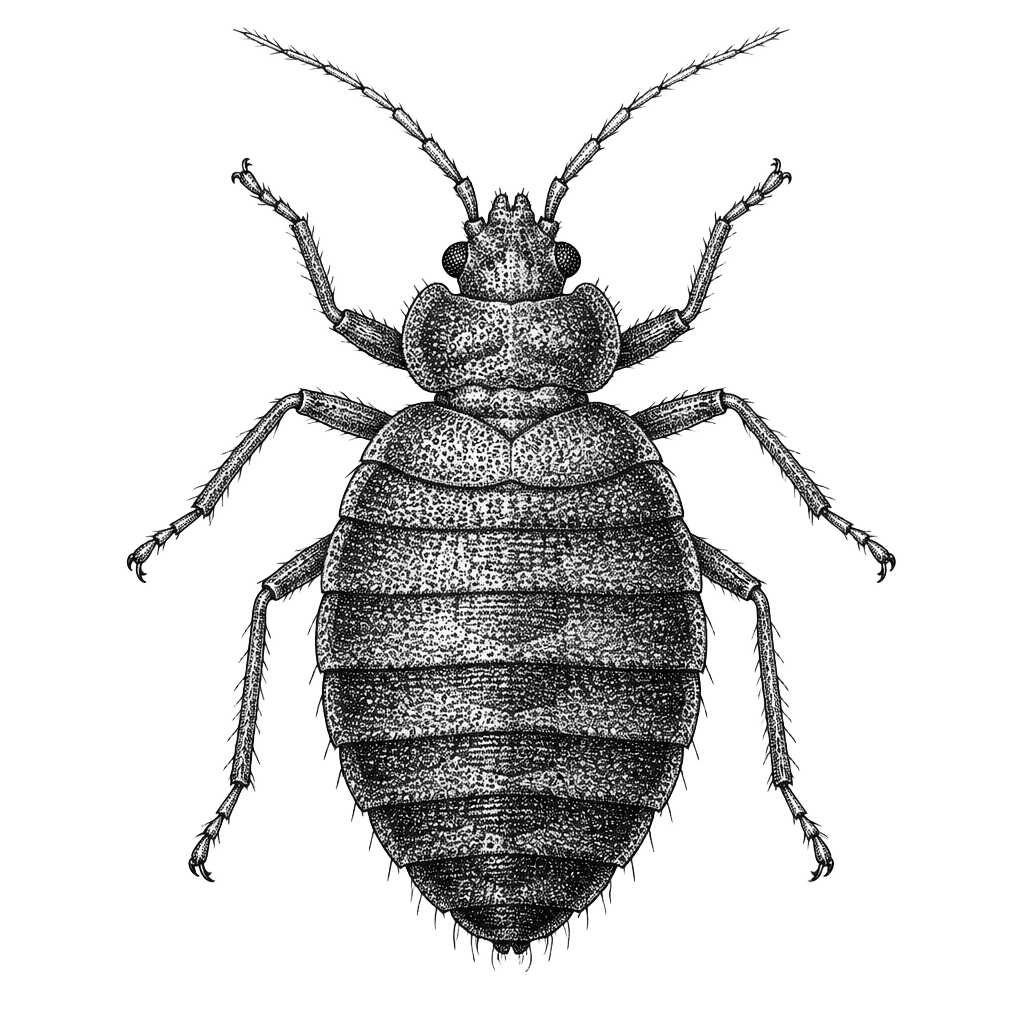
- Bed bugs: depends on how they arrived, which is often hard to prove. Landlords and tenants generally get the best result by acting quickly together, especially in flats and HMOs.
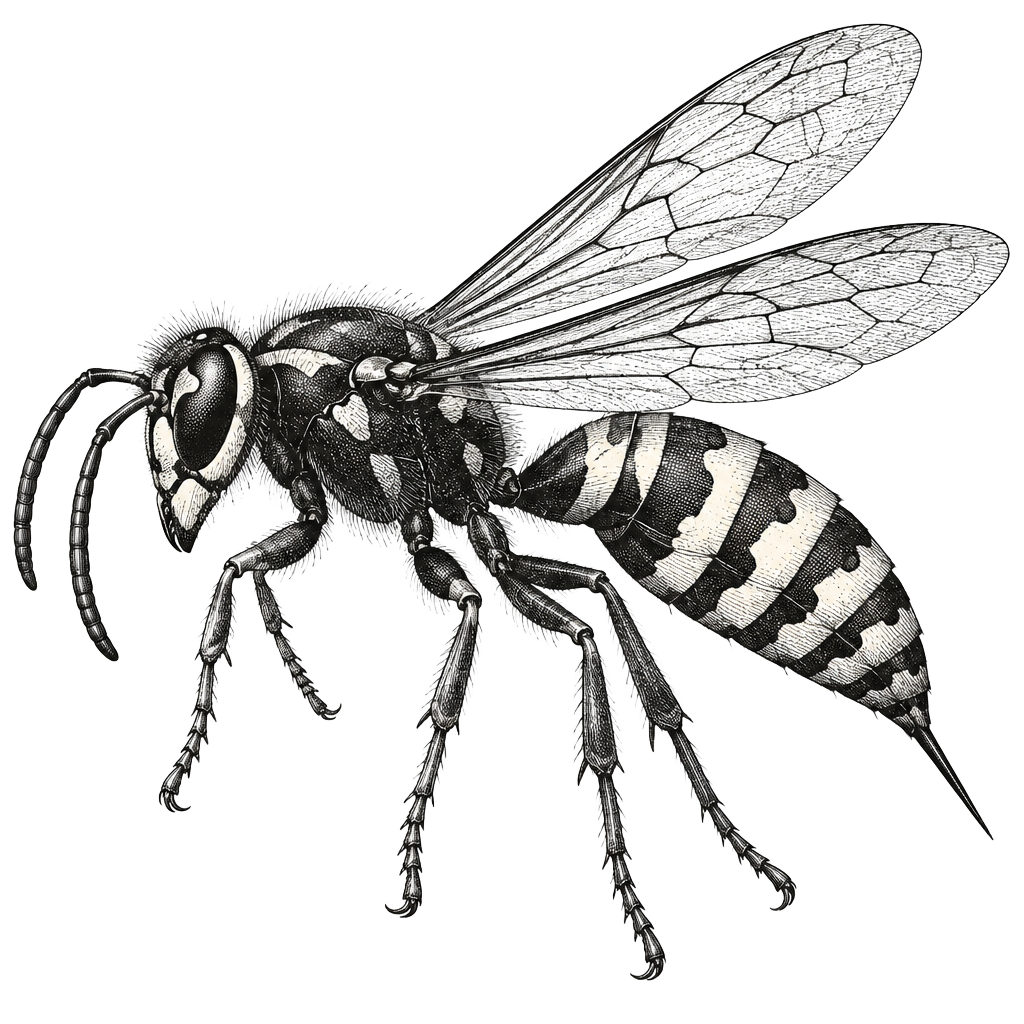
- Ants or wasps: often treated as routine and covered by the tenancy agreement; check yours.
§ 03
If you're a tenant
- Tell your landlord or letting agent as soon as you notice signs, in writing (email is fine).
- Take dated photos of droppings, damage or bites.
- Keep food sealed and rubbish contained so the problem doesn't get worse while you wait.
- If nothing happens, contact your local council's private housing or environmental health team. Pests are one of the hazards councils can assess under the Housing Health and Safety Rating System.
§ 04
If you're a landlord
Deal with reports promptly. A professional survey identifies the pest, how it is getting in and whether proofing or repairs are needed, which helps settle any question of responsibility and stops the problem returning. A written report of the visit is also useful for your records.
We work with landlords and letting agents across Harlow and West Essex and can arrange access with tenants directly.